July represents peak travel season for much of the globe.
In the Northern Hemisphere, midsummer brings maximum heat and fully accessible alpine environments, while the Southern Hemisphere’s dry winter creates optimal conditions for tracking wildlife.
Because July draws heavy international crowds, travel strategy requires precision. The highest-value destinations this month center on specific ecological events: temporary floral blooms, narrow wildlife migration windows, and high-latitude zones that are largely inaccessible during the rest of the year.
Chapter Trail
Provence, France
Photo by Sébastien Jermer on Unsplash
Why it's perfect
July is the defining month for Provence due to the lavender bloom. The Valensole Plateau and the fields surrounding Sénanque Abbey turn a brilliant purple. The harvest typically begins mid-to-late July, making the first two weeks the prime window for landscape photography.
Weather
Hot, dry, and sunny; 20°C to 30°C (68°F–86°F).
Where to go
The Valensole Plateau for lavender fields and the Gorges du Verdon for river kayaking.
Activities/Highlights
Touring working lavender distilleries and exploring hilltop villages like Gordes.
Where to stay
A countryside bastide (stone farmhouse) near Aix-en-Provence.
Food to try
Salade Niçoise and ratatouille made from peak-season summer vegetables.
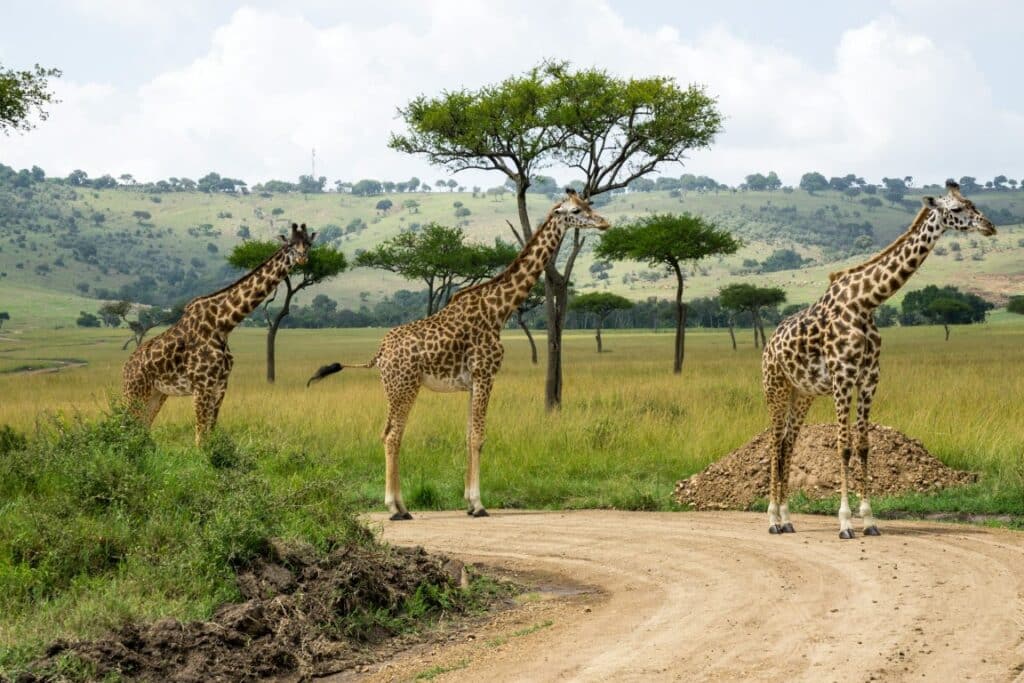
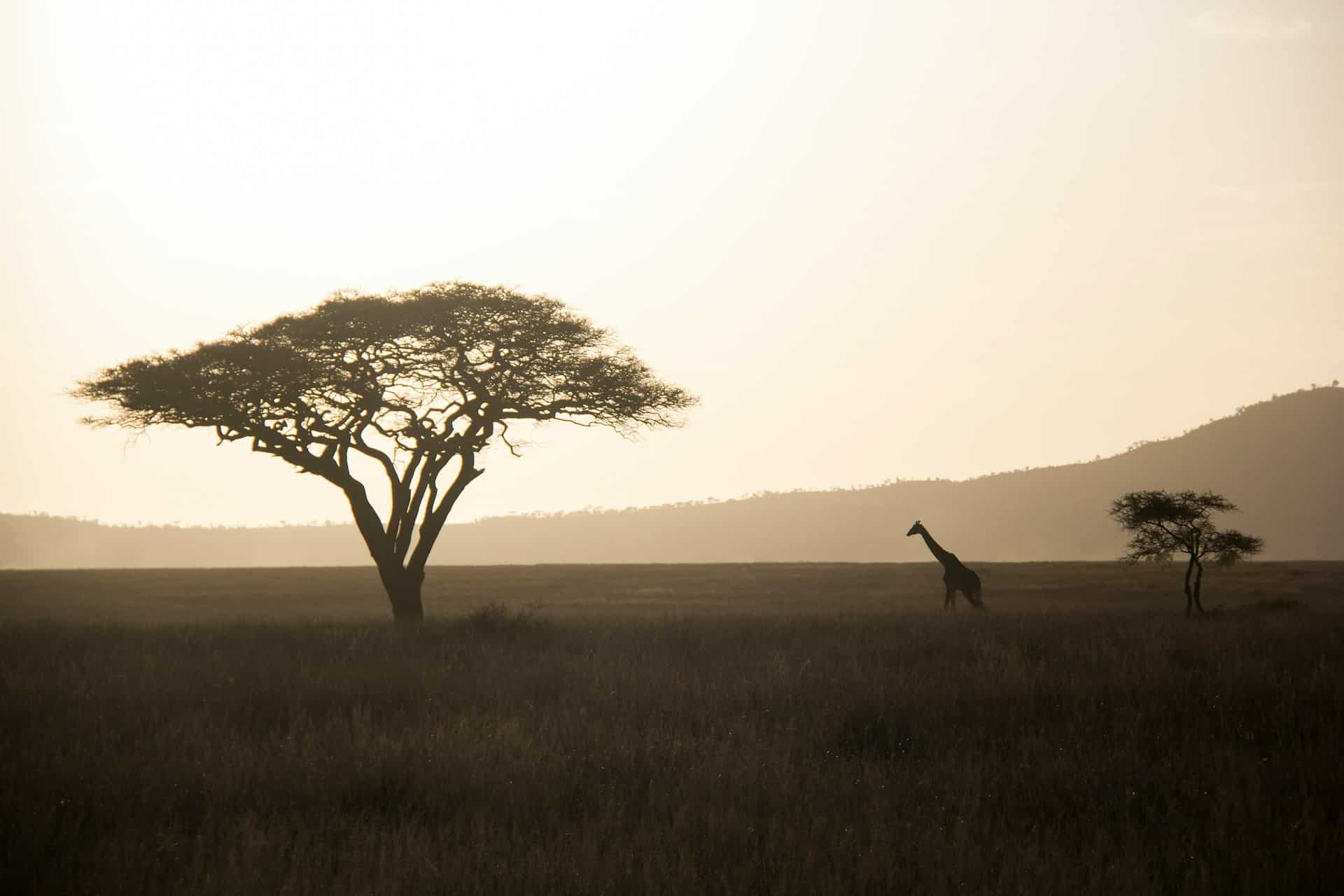
July triggers the most dramatic phase of the Great Migration. As the Serengeti dries out, millions of wildebeest and zebra move north into Kenya, eventually crossing the crocodile-filled Mara River. This month provides the highest probability of witnessing these intense river crossings.
Weather
Cool, dry, and dusty; 12°C to 25°C (54°F–77°F).
Where to go
The Mara Triangle and points along the Mara River.
Activities/Highlights
Dawn game drives to position for river crossings and hot air ballooning over the savanna.
Where to stay
A seasonal mobile tented camp positioned near the river banks.
Food to try
Ugali (maize porridge) served with slow-roasted goat.
Snowmobiling on a frozen lake in Svalbard. PHOTO: Jumpstory
Why it's perfect
Located halfway between mainland Norway and the North Pole, Svalbard experiences 24-hour daylight in July. The summer melt clears the sea ice just enough for expedition vessels to navigate the archipelago, making this the single best month on earth to spot polar bears in their natural habitat.June marks the onset of the long dry season. As watering holes shrink, wildlife congregates along permanent rivers, making animals easier to spot. Large herds of wildebeest and zebra move into the Western Corridor, setting up the first river crossings of the Great Migration.
Weather
Cold but manageable; 3°C to 7°C (37°F–45°F).
Where to go
The coastal fjords around Spitsbergen and the edge of the pack ice.
Activities/Highlights
Zodiac cruising past calving glaciers and tracking walruses and Arctic foxes.
Where to stay
An ice-class expedition ship for coastal access, or Longyearbyen for land-based tours.
Food to try
Arctic char and reindeer (served locally in Longyearbyen).
Average cost
Very High ($600–$1,200 per day).
Hokkaido, Japan
Photo by Yuri Shirota on Unsplash
Why it's perfect
While mainland Japan swelters under intense July humidity, the northern island of Hokkaido remains cool and comfortable. July is the island’s peak agricultural season, most famous for the massive, rainbow-striped flower fields of Furano and Biei.
Weather
Pleasant and mild; 15°C to 24°C (59°F–75°F).
Where to go
Farm Tomita in Furano for lavender and the blue ponds of Biei.
Activities/Highlights
Cycling through patchwork hills and hiking the volcanic trails of Daisetsuzan National Park.
Where to stay
Sapporo for urban convenience or a hot spring ryokan in Noboribetsu.
Food to try
Jingisukan (grilled mutton dish named after Genghis Khan) and local melon.
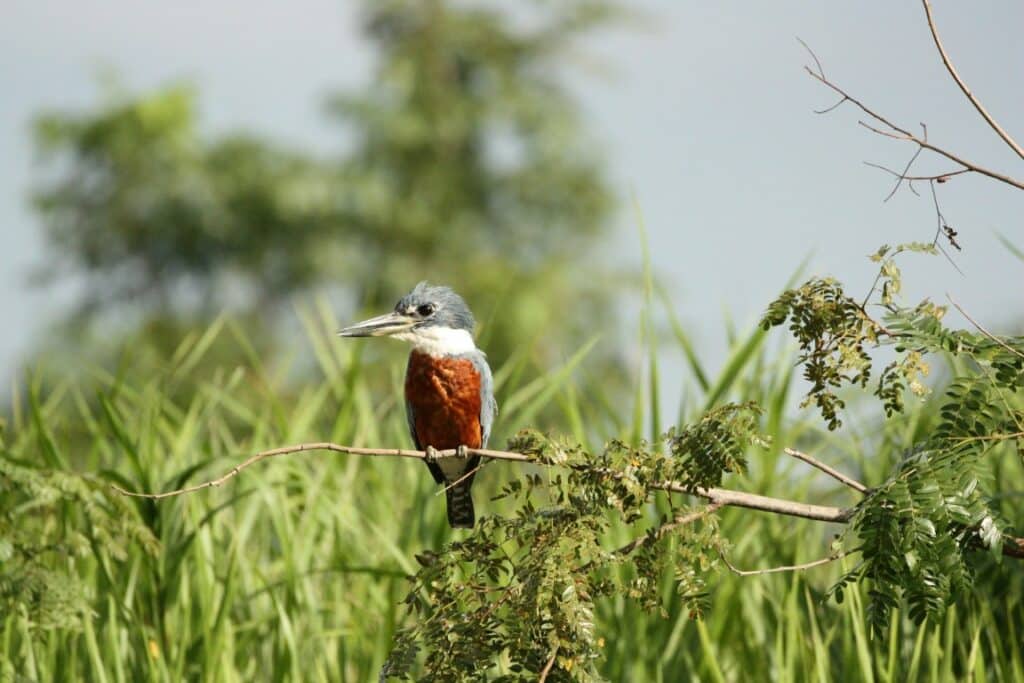
The Pantanal is the world’s largest tropical wetland. In July, the dry season shrinks the vast flooded plains into isolated river channels and pools. This forces massive concentrations of wildlife to the water’s edge, creating the most reliable conditions for spotting wild jaguars.
Weather
Warm days, cool nights, very little rain; 15°C to 28°C (59°F–82°F).
Where to go
Porto Jofre and the Meeting of the Waters State Park.
Activities/Highlights
Riverboat safaris scanning the banks for jaguars, capybaras, and giant river otters.
Where to stay
A floating hotel (flotel) or specialized eco-lodge deep in the wetlands.
July falls right in the middle of Fiji’s dry season, offering a total escape from northern hemisphere heat waves. Humidity drops significantly, the cyclone risk is zero, and underwater visibility reaches its annual peak, creating pristine conditions for scuba diving and snorkeling.
Weather
Tropical, dry, and comfortable; 20°C to 26°C (68°F–79°F).
Where to go
The Mamanuca Islands for immediate resort access and the Yasawa Islands for remote beaches.
Activities/Highlights
Diving the Great Astrolabe Reef and attending a traditional Kava ceremony.
Where to stay
An overwater bungalow or a boutique eco-resort on a private island.
Food to try
Kokoda (raw mahi-mahi marinated in citrus and coconut milk).
Navigating July travel requires targeting specific seasonal events rather than relying on general geography. Whether capitalizing on the brief accessibility of the Arctic pack ice, the exact timing of the lavender harvest, or the dense wildlife concentrations of the dry-season Pantanal, these destinations offer concrete reasons to travel during the globe’s busiest month.
Aligning itineraries with these ecological and seasonal windows guarantees experiences that simply cannot be replicated at any other time of the year.
Mark loves traveling with his partner and their four dogs to different beaches locally in the Philippines. He plans to revisit South Korea and Singapore soon, then finally visit Japan after that.
Mark Ching
Mark loves traveling with his partner and their four dogs to different beaches locally in the Philippines. He plans to revisit South Korea and Singapore soon, then finally visit Japan after that.
Post
Twit
Link
Mark Ching
Mark loves traveling with his partner and their four dogs to different beaches locally in the Philippines. He plans to revisit South Korea and Singapore soon, then finally visit Japan after that.
Post
Twit
Link
Up next
Here you can find some amazing travel stories, to tickle your travel bone or just to dream away. Sometimes we travel without moving.